
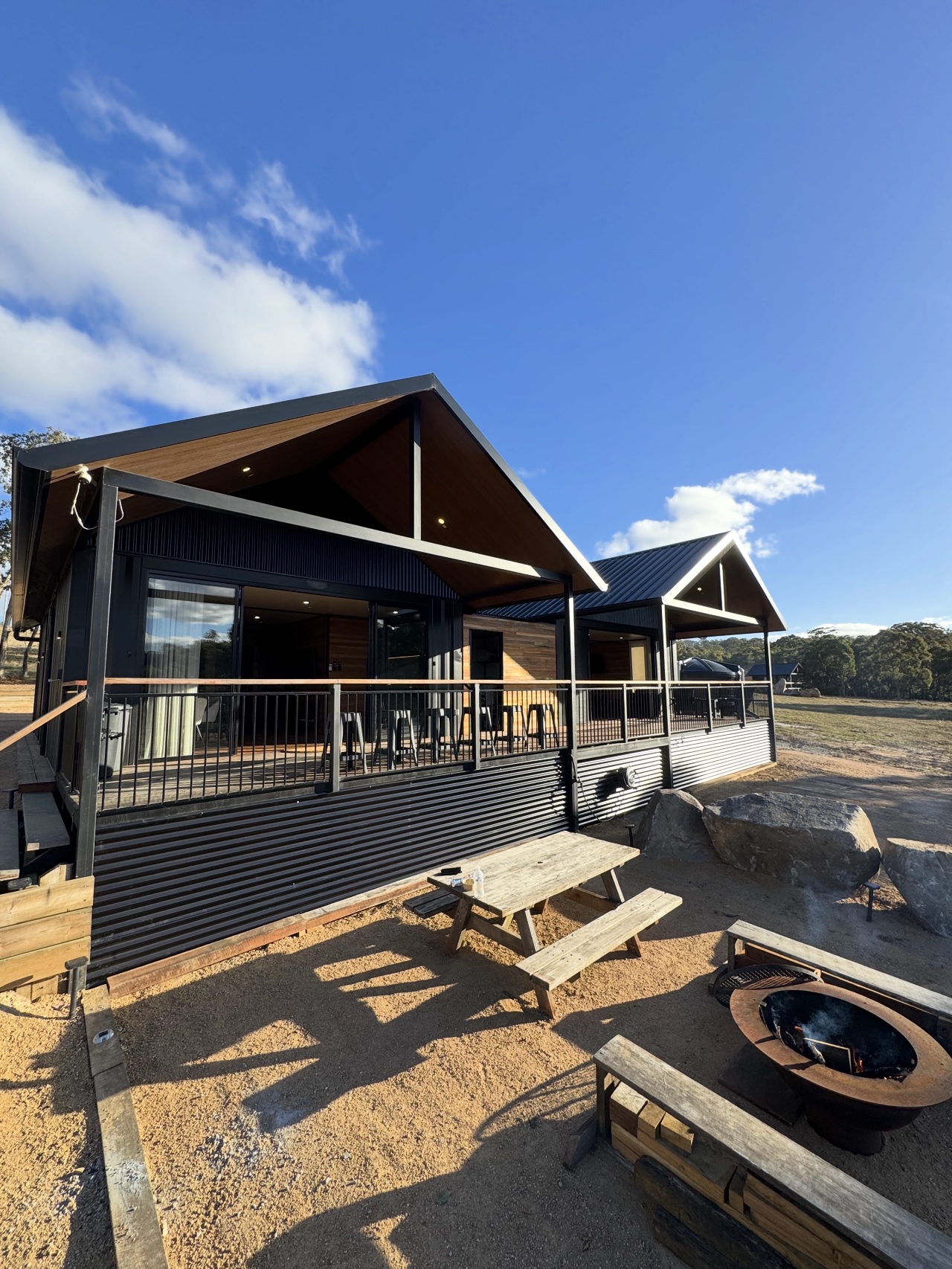
Boulder Ridge — eight 20ft high cubes on 20 acres in the Tenterfield region.
A shipping container home is a house like any other. It needs the same approvals and has to meet the same building code. The container is just the structure. What really matters is your zone, your lot, any overlays such as flood or bushfire, and whether the building is a main home, a second dwelling or a non-habitable structure.
Every council has its own requirements. That’s why we do the paperwork for you: plans, certificates and DA applications, plus engineering, soil testing and energy assessment.
This page gives a quick state-by-state overview with links to the official sources. For the long-form walkthrough, read How to Get Council Approval for a Shipping Container Home in Australia and Are Shipping Container Homes Legal in Australia?
Two approvals, not one
Most projects need two separate approvals:
- Planning approval. This decides whether the building is allowed on that lot. Depending on the state, it’s a DA, a development permit or a fast-track pathway such as complying development.
- Building approval. This checks that the building meets the National Construction Code. It’s issued by council or a building certifier.
The ABCB building classifications guide explains the building classes. A house or granny flat you live in is Class 1a. A non-habitable shed or garage is Class 10a. A container office, shop or café falls into a commercial class.
State by state
New South Wales
NSW Planning’s guide to secondary dwellings covers the main points:
- Granny flats are allowed in residential zones R1 to R5.
- You can have one main home and one secondary dwelling, and the lot can’t be subdivided.
- Complying development needs a lot of at least 450 m². Otherwise you lodge a DA with council.
Under the Housing SEPP, a secondary dwelling’s floor area generally can’t exceed 60 m² unless another planning instrument allows more. The NSW Planning Portal explains the approval pathways.
Queensland
Queensland’s granny flats guidance says any new secondary dwelling needs building approval, and you should ask your council whether development approval is also needed. Since 26 September 2022 you can rent a granny flat to anyone, not just family. The guidance also recommends getting advice from a building certifier. For builder and certifier licensing, see the QBCC.
Victoria
Victoria’s small second dwellings rules cover a second home of up to 60 m² on the same lot, with its own kitchen, bathroom and toilet. In most cases it doesn’t need a planning permit if no flooding, environmental or other special controls apply.
You always need a building permit, and the dwelling can’t be subdivided or sold separately. The Building and Plumbing Commission has more detail.
South Australia
PlanSA’s article on ancillary accommodation says even smaller secondary accommodation still needs both planning and building approval.
Western Australia
The WA Government granny flat information sheet covers ancillary dwellings of up to 70 m². Under the 2024 R-Codes, the minimum 350 m² lot size is being removed where the deemed-to-comply requirements are met. You still need a building permit from your local government, and the dwelling must comply with the NCC.
Australian Capital Territory
ACT Planning’s building approval check says you usually need development approval, or a DA exemption, plus building approval. There are no BA exemptions for Class 1 detached houses.
Northern Territory
In the NT, you may need a development permit depending on your zone and overlays. See check if you need planning approval. You also need a building permit from a building certifier before construction starts.
Tasmania
The Tasmanian State Planning Office explains that planning, handled by council, and building, under the Building Act 2016 and the NCC, are separate systems. You may need one approval or both.
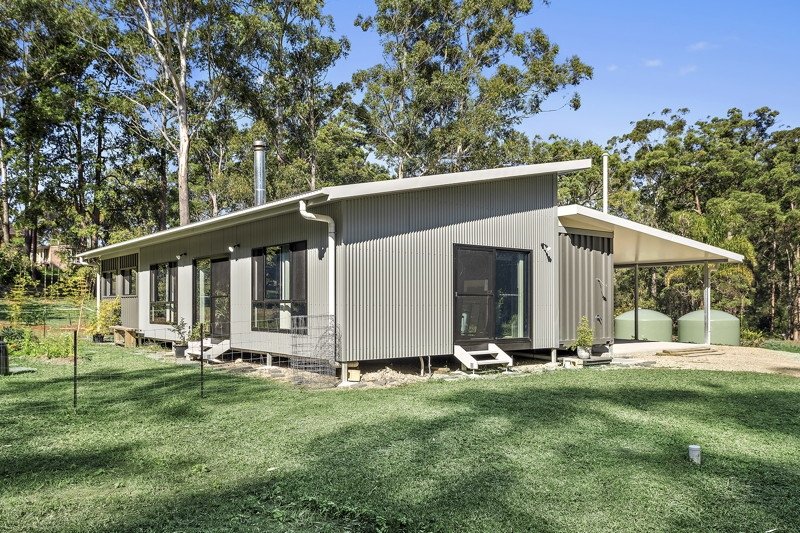
The Wolverine — four 20ft containers, owner in Coffs Harbour.
How we help with approval
- Drafting. We have a full-time drafting firm and can design any custom layout. Start from our floor plans or bring your own sketch.
- Engineering. We can build to any cyclone rating up to C4, engineered to suit your site and your certifier’s requirements.
- Soil testing and energy assessment. These reports are prepared for your application. We can build to any energy rating or insulation level.
- DA and certificates. We prepare the application documents for your council or certifier.
- Footings. Homes sit on steel posts rather than a slab, and licensed builders around Australia handle groundwork and installation.
Our building process page shows the full sequence from quote to handover.
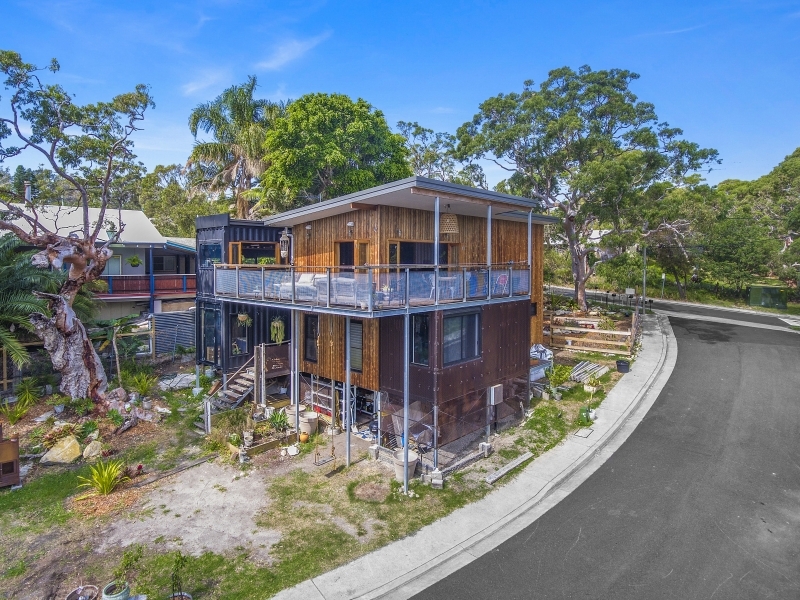
Byron Granny Flat — a four-container secondary dwelling.
Thinking about a granny flat? See container granny flats in Australia for real secondary dwelling builds. Building on a remote block? See off grid container homes.
Frequently asked questions
Do shipping container homes need council approval?
Yes, in the same way any house does. Most projects need planning approval, or a fast-track pathway where one applies, plus building approval against the National Construction Code.
Is a container granny flat easier to approve in NSW?
It can be. NSW allows secondary dwellings in zones R1 to R5, and complying development is available on lots of at least 450 m². Otherwise a DA goes to council.
How big can a container granny flat be?
It depends on your state. The NSW Housing SEPP generally caps secondary dwellings at 60 m², Victoria’s small second dwelling rules apply up to 60 m², and WA’s ancillary dwelling guidance covers up to 70 m².
Can I skip building approval for a small container home?
Not if people will live in it. A home is Class 1a under the National Construction Code, and the ACT, for example, says there are no BA exemptions for Class 1 detached houses.
Do you handle the council paperwork?
Yes. We prepare plans, certificates and DA applications, plus engineering, soil testing and energy assessment.
Does a container home need a slab?
No. Our homes sit on steel posts, and licensed builders around Australia handle groundwork and installation.
Start your approval
Send your address, lot size and what you want to build. We’ll check the likely pathway with you and prepare the drawings for council.
Container Build Group P/L
39 Habib Drive, South Lismore NSW 2480
Phone: 1300 965 359 · Mobile: 0434 287 636
Email: sales@containerbuildgroup.com.au
ABN: 48 141 506 149
Showroom and factory: Mon–Fri 8:30am–4:00pm (appointment necessary) · Contact us